Issues and Creative strategies in archaeological heritage conservation, education, and management
Convenors: Andrea Natasha Kintanar1, Kristine Kate Lim2, Grace Barretto-Tesoro3, Kathleen Tantuico4
Session Abstract
Studies in some countries, e.g. U.S.A., Africa, and Thailand, have been done to make it possible for the general public to participate with formally trained archaeologists. The same examples show that when the local government uses knowledge from archaeology, to cultivate heritage-oriented community services and amenities, the people of the area feel more connected to their culture and past, hence making them more empowered to contribute more in society, to work harder, or to be better citizens of their countries. Archaeological information and heritage can be effectively integrated into a variety of contexts if archaeologists and heritage practitioners assist the government and involve members of the community or area. With the growing market of tourism, where heritage is part of the package, locals in communities need to be able to protect their cultural heritage from potential degradation. Challenges, like lack of educational capacity, human resources, and funding, within local government and communities should be an impetus to create effective ways for professionally trained archaeologists to connect with the general public and other fields.
Heritage practitioners need more engagement with local communities and government agencies in heritage management and preservation. Additionally, the implementation of heritage laws and/or national policies on culture and heritage need to be reviewed and revitalized. We need to discuss the shortcomings of the old ways of heritage management.
This session will discuss proposals on approaches to non-formal learning that is specialized incommunicating significant ideas about a site/place. It will be a platform where archaeologists can share their experiences and learnings from protecting, promoting, and managing archaeological heritage. This involves inter mingling concepts of legislation, law/policy implementation,
urban/regional planning, education, tourism, environmental management, and communication. Through this session, we will find new ways of communicating archaeological data/knowledge to lead to more effective heritage management and preservation.
1 PhD Candidate, Institute of Prehistory and Early History and Archaeology of the Middle Ages, Eberhard Karls Universität Tübingen, Germany; Co-founder and Executive Director of Tuklas Pilipinas Society
2 Graduate of UP-ASP, Consultant at the National Commission of Indigenous Peoples of the Philippines, Co-founder and President of Tuklas Pilipinas Society
3 Associate Professor, Archaeological Studies Program, University of the Philippines, Diliman (UP-ASP); Board Member of Tuklas Pilipinas Society
4 Graduate of UP-ASP, Candidate of the College of Law, University of the Philippines, Diliman; Co-founder of Tuklas Pilipinas Society
ANDREA NATASHA KINTANAR
Session Abstract
Studies in some countries, e.g. U.S.A., Africa, and Thailand, have been done to make it possible for the general public to participate with formally trained archaeologists. The same examples show that when the local government uses knowledge from archaeology, to cultivate heritage-oriented community services and amenities, the people of the area feel more connected to their culture and past, hence making them more empowered to contribute more in society, to work harder, or to be better citizens of their countries. Archaeological information and heritage can be effectively integrated into a variety of contexts if archaeologists and heritage practitioners assist the government and involve members of the community or area. With the growing market of tourism, where heritage is part of the package, locals in communities need to be able to protect their cultural heritage from potential degradation. Challenges, like lack of educational capacity, human resources, and funding, within local government and communities should be an impetus to create effective ways for professionally trained archaeologists to connect with the general public and other fields.
Heritage practitioners need more engagement with local communities and government agencies in heritage management and preservation. Additionally, the implementation of heritage laws and/or national policies on culture and heritage need to be reviewed and revitalized. We need to discuss the shortcomings of the old ways of heritage management.
This session will discuss proposals on approaches to non-formal learning that is specialized incommunicating significant ideas about a site/place. It will be a platform where archaeologists can share their experiences and learnings from protecting, promoting, and managing archaeological heritage. This involves inter mingling concepts of legislation, law/policy implementation,
urban/regional planning, education, tourism, environmental management, and communication. Through this session, we will find new ways of communicating archaeological data/knowledge to lead to more effective heritage management and preservation.
1 PhD Candidate, Institute of Prehistory and Early History and Archaeology of the Middle Ages, Eberhard Karls Universität Tübingen, Germany; Co-founder and Executive Director of Tuklas Pilipinas Society
2 Graduate of UP-ASP, Consultant at the National Commission of Indigenous Peoples of the Philippines, Co-founder and President of Tuklas Pilipinas Society
3 Associate Professor, Archaeological Studies Program, University of the Philippines, Diliman (UP-ASP); Board Member of Tuklas Pilipinas Society
4 Graduate of UP-ASP, Candidate of the College of Law, University of the Philippines, Diliman; Co-founder of Tuklas Pilipinas Society
ANDREA NATASHA KINTANAR
PhD Candidate
Institute of Prehistory and
Early History and Archaeology of the Middle Ages
Eberhard Karls University of Tubigen, Germany
Thông báo
Thứ năm, 11 Tháng 12 2025- 17:31
Thứ hai, 29 Tháng 9 2025- 18:20
Thư viện
- Tác giả: Đại tướng, GS.TS Tô Lâm
- Nxb: Công an nhân dân - 2026
- Số trang: 775 tr
- Khổ sách: 16x24cm
- Hình thức bìa: cứng
- Tác giả: Hoàng Đạo Kính
- Nxb: Văn hóa dân tộc-2023
- Số trang: 196tr
- Khổ sách: 20,5x23cm
- Hình thức bìa: mềm
- Tác giả: Carol Davidson Cragoe, Nguyễn Công Hiệp dịch
- Nxb: Dân Trí
- Số trang: 257tr
- Khổ sách: 16x19cm
- Hình thức bìa: mềm
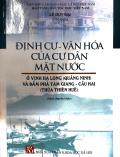
- Tác giả: Lê Duy Đại
- Nxb: KHXH - 2021
- Số trang: 771tr
- Khổ sách: 14,5x20,5cm
- Hình thức bìa: mềm

- Nhóm Tác giả: Tản mạn kiến trúc
- Nxb: Thế Giới-2023
- Số trang: 286tr
- Khổ sách: 14,5x20,5cm
- Hình thức bìa: mềm
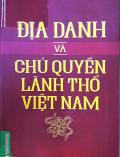
- Tác giả: Kim Quang Minh, Trịnh Anh Cơ
- Nxb: Hà Nội-2024
- Số trang: 184tr
- Khổ sách: 20,5x23cm
- Hình thức bìa: mềm
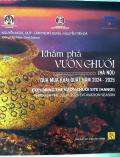
- Tác giả: Nguyễn Ngọc Quý, Lâm Thị Mỹ Dung, Nguyễn Tiến Đà
- Nxb: KHXH- 2025
- Số trang: 255tr
- Khổ sách: 24 x 22cm
- Hình thức bìa: mềm
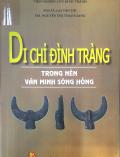
- Tác giả: Lại Văn Tới, Nguyễn Thị Thao Giang
- Nxb: KHXH - 2025
- Số trang: 531tr
- Khổ sách: 16x24cm
- Hình thức bìa: mềm

-Tác giả: Ban Quản lý Quần thể Danh thắng Tràng An
- Nxb: Thế Giới-2024
- Số trang: 86tr
- Khổ sách: 26,5x25cm
- Hình thức bìa: mềm
Tạp chí
Dày 100 trang, khổ 19x27cm
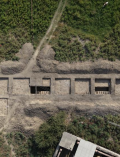
Nằm trong thung lũng Fergana ở phía đông Uzbekistan, khu di tích Kuva, hiện trải rộng khoảng 110.000 mét vuông, từng là một đầu mối rất quan trọng trên Con đường Tơ lụa cổ đại. Mối liên hệ lịch sử của nó với Trung Quốc có từ hơn hai thiên niên kỷ trước, vì người ta tin rằng nó từng là một phần của nhà nước Dayuan cổ đại, được sứ thần Trung Quốc Trương Khiên ghi chép lại vào thời nhà Hán (202 TCN-220 CN).

Dày 100 trang, khổ 19x27cm
Dày 100 trang, khổ 19x27cm
Dày 100 trang, khổ 19x27cm

Dày 100 trang, khổ 19x27cm
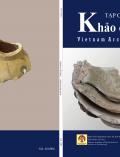
Dày 100 trang, khổ 19x27cm
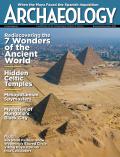
November/December 2025 - Archaeology Magazine
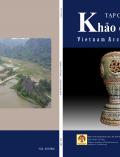
Dày 100 trang, khổ 19x27cm
Tin tức khác
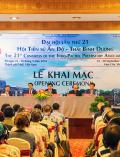
24 Th9 2018 06:12
22 Th9 2018 11:09
28 Th8 2018 15:04

15 Th8 2018 13:10
25 Th7 2018 04:21
25 Th7 2018 04:19
Copyright © 2016 by khaocohoc.gov.vn.
Thiết kế bởi VINNO
Tổng số lượt truy cập: 11413074
Số người đang online: 17